
SOLVING A SEMICONDUCTOR CONUNDRUM
How a global team effort ‘saved’ 4,000 tractors to best serve our dealers and customers
When the typical timeline for product development and engineering validation is over one year and you manage to pull that off in less than eight weeks, you don’t just turn a few heads, you prove that the impossible is possible when we roll up our sleeves and work together as One Team.
That is precisely what happened earlier this year within the Agriculture Business Unit in an outstanding cross region and cross platform effort. Faced with ongoing semiconductor shortages affecting all industrial manufacturers, a serious component shortage threatened to leave 4,000 of our best selling and most sophisticated tractors, built in Fargo and Racine, USA; Basildon, UK; Saint Valentin, Austria; and Jesi, Italy, incomplete and unready for shipment to our dealers and customers.
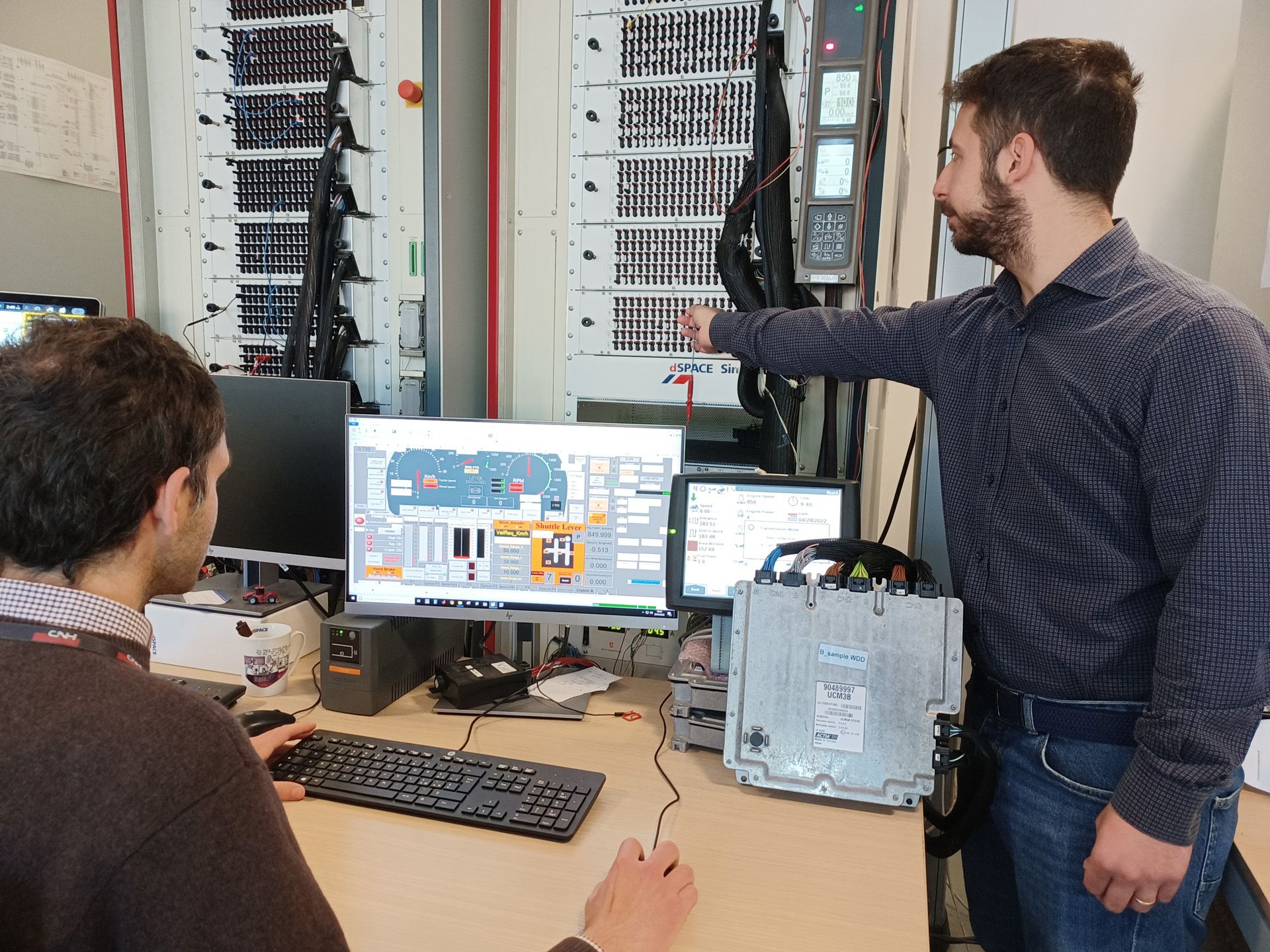
The component in question, a semiconductor, is a key part of the tractor’s ‘electronic brain’ controlling many functions, the most important being motion so that the machine moves in the desired direction. “We needed something that physically, mechanically and electrically could substitute the unavailable component, but there wasn't a variant that existed, so we had to develop it with a supplier,” explains David Sayer, Head of Agriculture & Construction Vehicle Core Electronics, who coordinated the engineering activities. “We had to do everything possible to accelerate the process.”
And so, with a month to find, test, implement and validate a viable solution, a number of different sub-groups across Vehicle Core Electronics, Digital, Driveline, Industrial Planning, Manufacturing, Product Support, Product Validation, Purchasing and Quality met on a daily basis to update on the status of the recovery project, working with an agile approach to keep all efforts in motion and quickly arrive at a level of confidence in the solution. Colleagues were called upon to support the effort and contribute to activities outside of their usual scope, they all helped to make the difference.
Their Breaking New Groundingenuity saw them install the new hardware component into the tractors, so they did not miss their production slots. “We were not constrained by the normal way of doing things, so by giving the software to the plants before we finished validating it, we didn’t have to stop the line,” explains David. This enabled the partial completion of units to a condition that they could be recovered more easily, while working in parallel to troubleshoot eventual software glitches to install post-production that would ensure the component worked within the vehicle architecture. This not only sped up the process, but also guaranteed that the Quality of the final product would not be compromised for the Customer by avoiding the ‘reopening’ of the cab to install a missing component.

How a global team effort ‘saved’ 4,000 tractors to best serve our dealers and customers
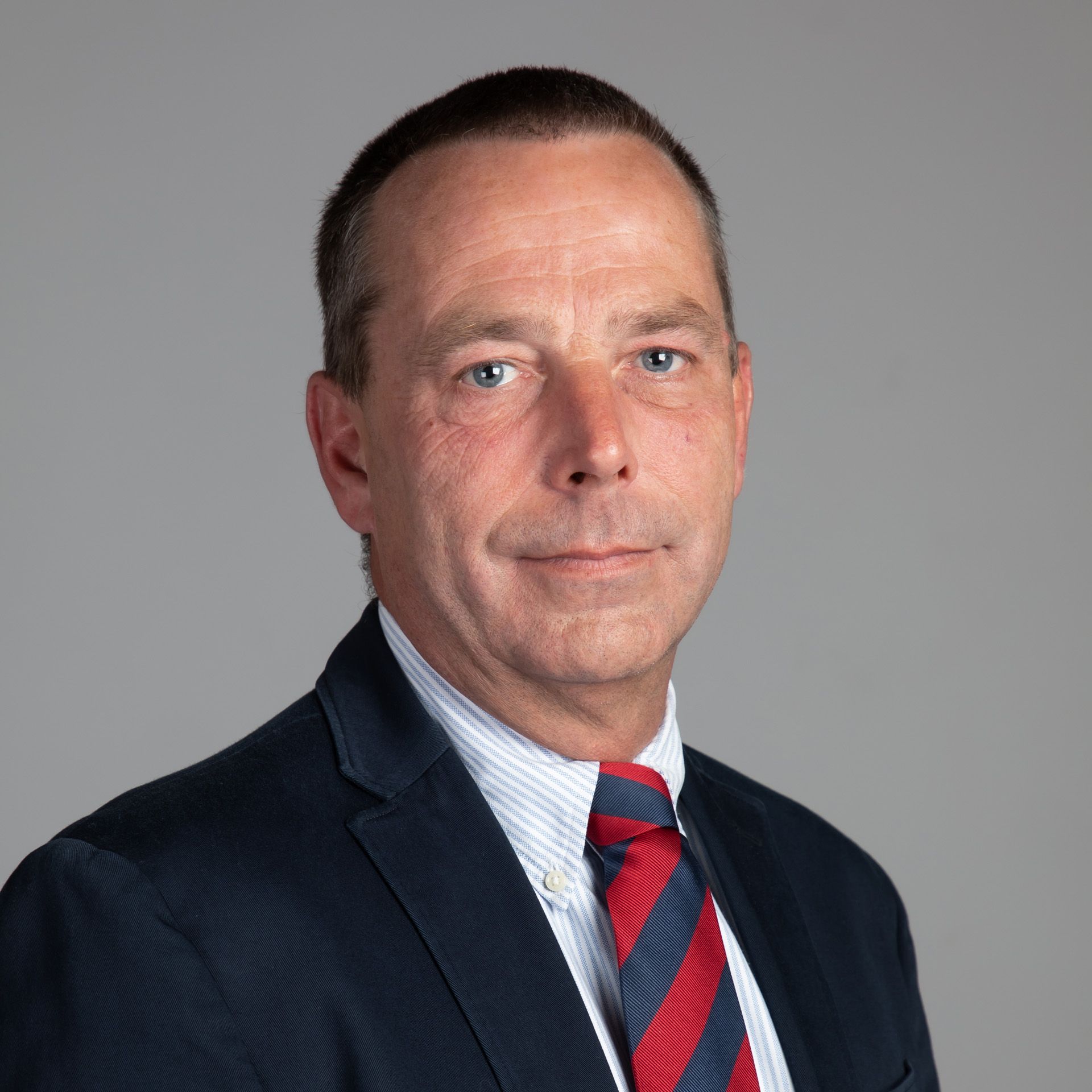
Angus Balfour
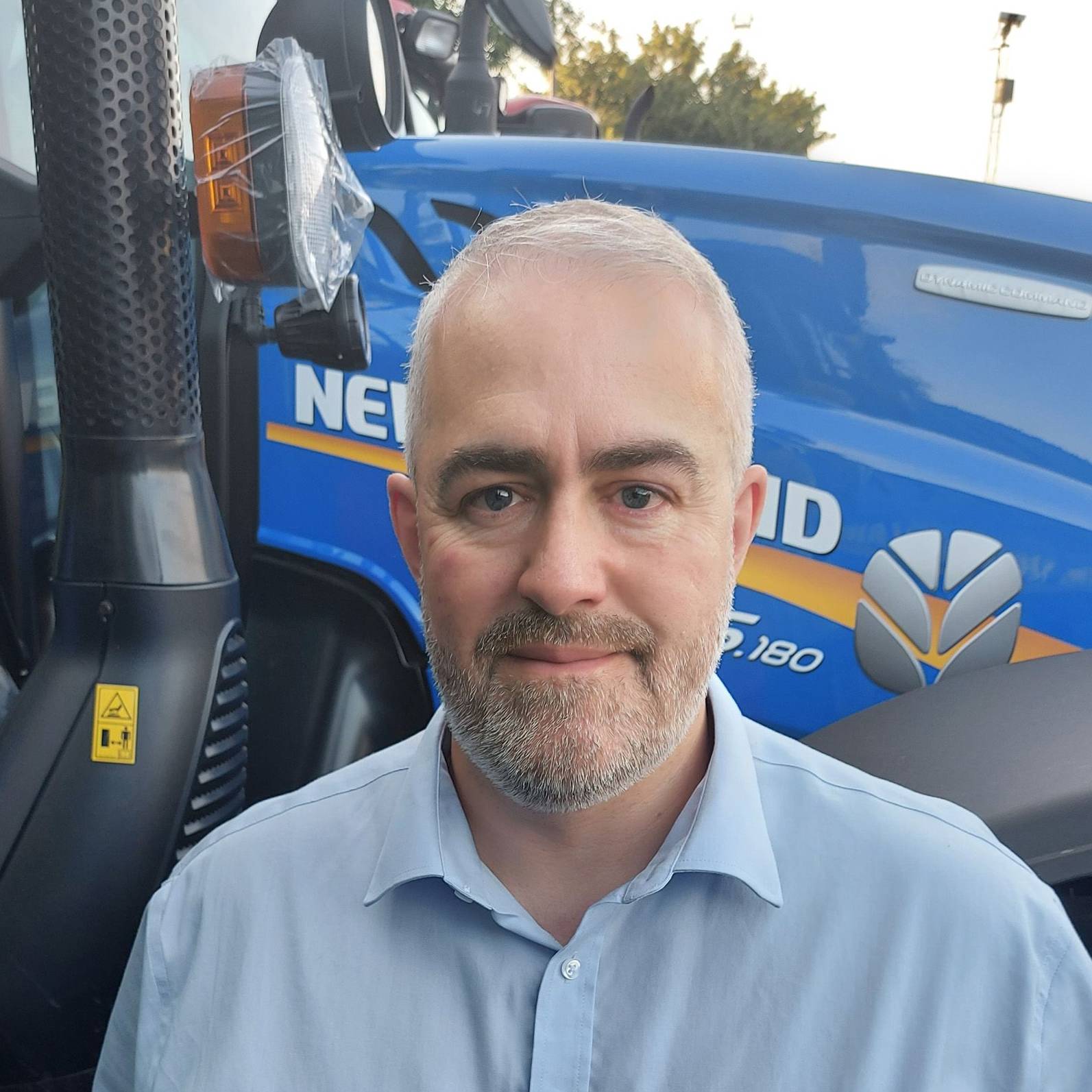
David Sayer
“We simply did what was required to get the job done. It was an extraordinary outcome,”
Angus Balfour, AG Quality Governance.
Technical roadblocks were inevitable with 12 different tractor vehicle variants to account for, but in what came as a motivational boost to the group, their solution worked right off the bat with the tractors in Fargo and Racine. It would take a few more software adjustments to solve issues with the European tractors, especially the CVT – continuously variable transmission – units. “That was a really tough nut to crack but our internal team was very good at identifying the root causes and getting the supplier to make the necessary changes,” shares Angus Balfour, AG Quality Governance, one of the many senior experts pulled into the project, in his case to play a strategic role in supporting progress, troubleshooting, maintaining plant communication, and other tasks. “The technical teams in Burr Ridge and Modena collectively drove a series of software changes.”
“We had many tractors to recover and, in some cases, many of those did not remain in the original manufacturing location and had to be recovered in a remote location, no longer under the Manufacturing umbrella,” explains Angus. “The recovery phase went over and above the industrial effort, with colleagues from Regional Quality, the markets and commercial operations being involved in implementing the final technical software solution.”
When discussing with both David and Angus, the key takeaway to this story is that while the result itself is inspiring and extraordinary, it required a superhuman effort to get across the line. It is further proof that our team can get anything done, but that we can learn a great deal from instances such as these to better prepare and equip for the future.